
See how to become a optical laboratory technician with our career guide
Did you know?
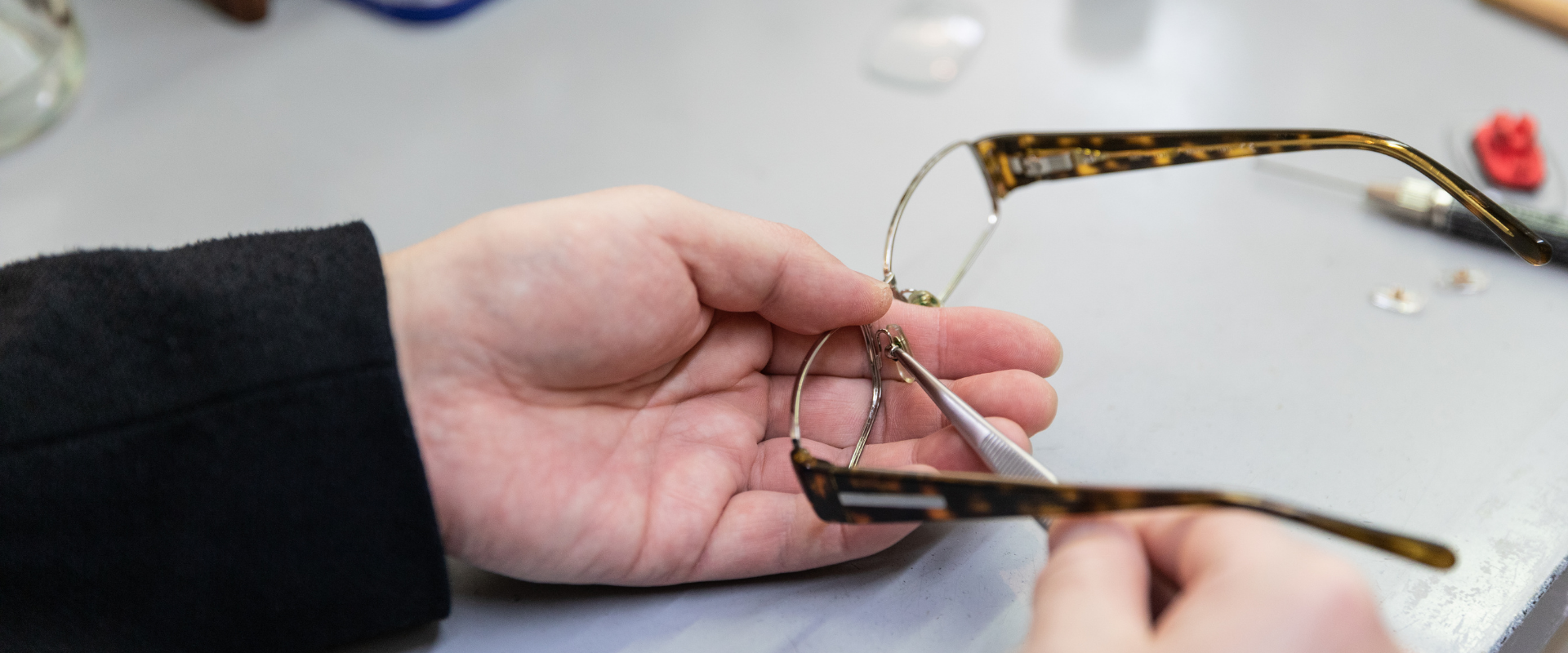
An optical technician is trained and qualified to make or ‘glaze’ spectacles. They work in an optical lab which may be attached to an optician’s practice or take orders from a number of practices.
What is an optical technician?
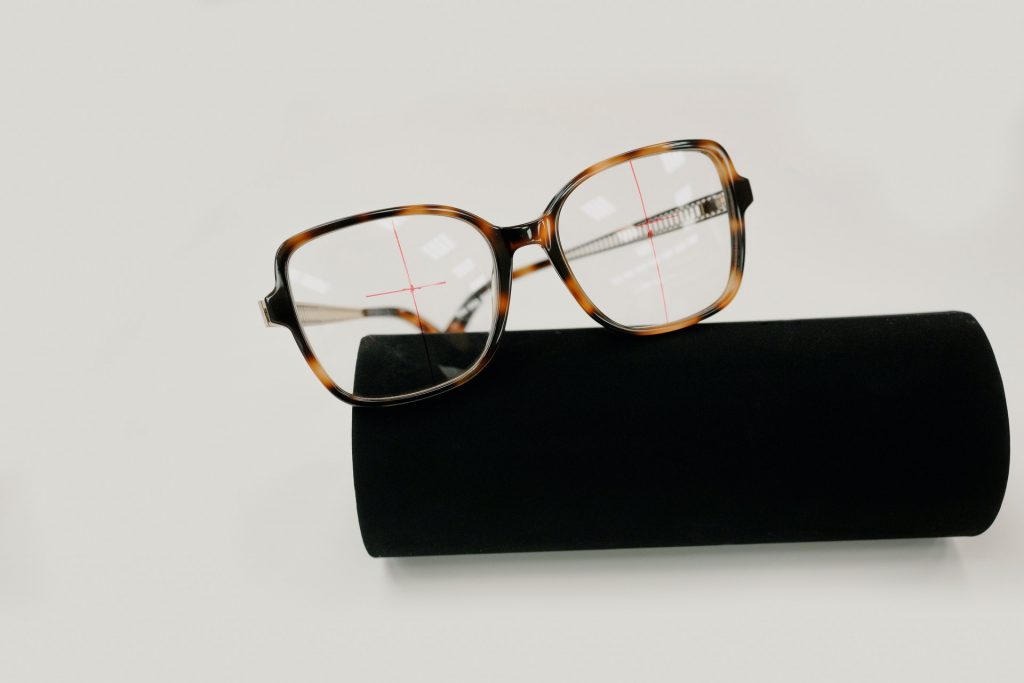
An optical technician is responsible for producing finished spectacles to a high degree of accuracy and quality assurance. Most of the work is done using computer-controlled machinery. Cutting the lens to the correct shape for each frame is known as glazing. You may need to also repair spectacles.

What do you get from this role?
Becoming an optical technician gives you the chance to do something that makes a difference to many people each day, creating the spectacles they need to see clearly. You will get to work with high tech equipment. You can take qualifications while you work, and have the opportunity to progress to a supervisory role, or train to become a dispensing optician. You could also progress within industry to become a manager.
What do you need to apply?
If you are interested in becoming an optical technician, you need to apply for a position in an optical lab that offers on the job training. You should have 9-4/A*-C GCSE in both English and maths or equivalent.
What skills do you need?
In order to become an optical technician you will need to enjoy the technical side and be willing to learn. You will be taught about the principles behind the manufacture of spectacles and how to handle lenses, frames and machinery. You will need to be organised to take in new stock, make up and dispatch orders on time. You will need to be friendly and helpful as you may need to talk to optical professionals who have requested the spectacles.
Behaviours:
You should follow policies and procedures, have a strong attention to detail and apply quality assurance checks through the spectacle repair or manufacturing process.
Quality focus:
You should have a strong professional work ethic including pride in your work and attention to detail.
Professionalism:
You should plan and manage time effectively.
Self-development:
You should obtain and offer constructive feedback to others, and develop and maintain professional relationships.
Safety orientated:
You should be aware of and adopt the processes and procedures for the safe manufacturing or repair of spectacles for both self and others.
What does your working day look like?
An optical technician’s day might start by prioritising the list of orders to work on for that day and checking that you have the lenses in stock that you need. During the day you will put lenses into the machine that cuts the lenses to the right shape, insert the lenses into the frames, and package them for the customer. You will also be responsible for ordering in of new stock lenses and also ordering in more specialised lenses to fulfil orders. Basic maintenance and upkeep of equipment is also the responsibility of the lab technician.
How does the optical technician training programme work?
You can become an optical technician while you work and there is an option to do this through an apprenticeship. This gives you on-the-job training and structured study so you can gain a nationally recognised qualification. It takes around two years as an apprentice to become a qualified Optical Technician.
You can then go on to take further qualifications through online learning.
Useful organisations and links

For employers
All For studentsFor teachersLooking for workStudentsWorkWork experienceA levelsApprenticeshipsCareers in eyecareDispensing opticianEye clinic liaison officerOphthalmologistOptical assistantOptical practice managerOptical sales repOptometristOrthoptistEducationFor EmployersStudyStudy onlineDay in the lifeExamsGCSEsT LevelsTraineeshipsSTEMContact lens opticianAwards, bursaries and scholarships Categories For students, For teachers, Looking for work, Students, Work, Work experience Posted on 30 March 2026 30 March 2026 Essential soft skills employers want … Continue reading Optical laboratory technician

WCSM
The Worshipful Company of Spectacle Makers (WCSM) sounds ancient but has a modern purpose. Its mission is to support better vision for all. The Company was founded in 1629 and is living proof that eye health is so much more than a presence on the High Street. The name could be misleading as WCSM members … Continue reading WCSM

Lens designer
See how to become a lens designer with our career guide. What is a lens designer? A lens designer works as part of the research and development department (R&D). They will be involved in the design, development, and testing of new products and geometries produced with free-form technology. What does a lens designer do? A … Continue reading Lens designer

Specsavers
Campaign aim: to attract teens to become an optometrist with Specsavers Lucy Knock Early Careers Manager says “Specsavers is delighted to work with the Careers in Eyecare Campaign, which we hope will inspire more young people to become opticians. We’re keen on sharing the hidden secrets of the fantastic opportunities we have in our industry … Continue reading Specsavers

Stepper
Campaign aim: to support the optical industry and highlight Stepper as an ethical and committed frames company. Peter Reeve, Managing Director Stepper (UK) limited says, “Delivering comfort and fit that delights spectacle wearers requires good product and the best dispensing skills, so encouraging professionalism in eyecare early in a career delivers the best possible outcomes … Continue reading Stepper
Work with Careers in Eyecare
Careers in Eyecare is a cross sector initiative to highlight the range of careers in eye care and eye wear. The award-winning campaign was launched by the Association of British Dispensing Opticians (ABDO) in 2020. Nick Walsh of ABDO says, “Careers in Eyecare was born from a desire to do more to raise awareness of … Continue reading Work with Careers in Eyecare