
See how to become an optometrist with our career guide
What is an optometrist?
An optometrist is a primary health care specialist trained to examine the eyes to detect defects in vision, signs of injury, ocular diseases or abnormality and problems with general health and to treat some eye conditions. Optometrists work in primary care, in high street practices, or in secondary care in hospitals.
What does an optometrist do?
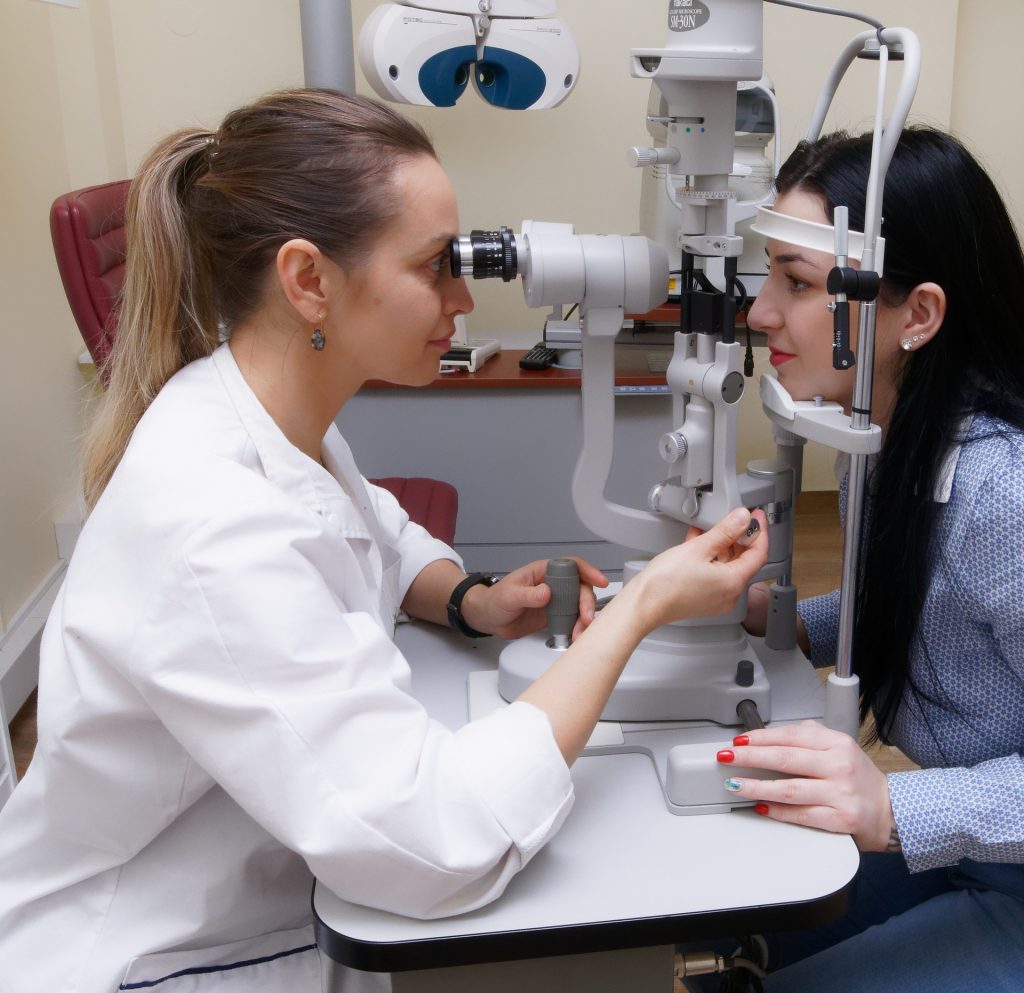
Optometrists are trained to examine the eyes to detect defects in vision, signs of injury, ocular diseases or abnormality and problems with general health, such as high blood pressure or diabetes.
They make a health assessment, offer clinical advice, prescribe spectacles or contact lenses, treat certain eye conditions, and refer patients for further treatment, when necessary. Independent Prescribing (IP) qualified optometrists can prescribe medicines to treat certain eye conditions.
Optometrists can work in hospitals, in the community, or offer home visits.
What do you get from this role?
An optometrist is a respected healthcare professional who works as part of multidisciplinary healthcare teams of various sizes, either in community practices, or in hospitals.
Being an optometrist gives you the chance to help people and make a difference to their lives, by enabling them to see optimally and to detect and treat eye health and vision problems.
If you want to progress your career, you can take further training in subjects including contact lenses, glaucoma, medical retina, low vision or eye care for children. The job can offer a range of flexible working patterns.
What do you need to apply?
Most universities want science A Levels, a combination of two or more of these subjects:
- Biology
- Chemistry
- Maths
- Physics
Typical offers are:
- A Levels: AAB
- Scottish Highers: AABBB
What skills do you need?
You will have an interest in science and research and applying the latest evidence to improving the quality of people’s lives.
You will need to be happy to talk to people and offer advice on eye health, understanding their concerns during the eye examination.
You will need to be interested in dealing with technical data when advising on the best lenses or contact lenses for each individual.
You will need to be able to explain your findings from the eye examination to other colleagues in practice.
You will be both people and quality focused.
What does your working day look like?
Working as part of a small or medium sized team, either in community practice or hospital, as an optometrist you will spend a large part of the day talking to people in the exam room, assessing their vision and eye health and advising on how to look after their eyes.
In hospital settings, you will help deliver specialist clinics, for glaucoma patients for example or children.
In practice, you will liaise with the dispensing optician who will help the person choose frames and lenses.
Find out more and read about a day in the life of a trainee optometrist here.
How may a training programme work?
You study for a degree over three or four years, then you need to complete a further year working under supervision, undertaking assessments and a practical exam, to become an optometrist.

For employers
All For studentsFor teachersLooking for workStudentsWorkWork experienceA levelsApprenticeshipsCareers in eyecareDispensing opticianEye clinic liaison officerOphthalmologistOptical assistantOptical practice managerOptical sales repOptometristOrthoptistEducationFor EmployersStudyStudy onlineDay in the lifeExamsGCSEsT LevelsTraineeshipsSTEMContact lens opticianAwards, bursaries and scholarships Categories For students, For teachers, Looking for work, Students, Work, Work experience Posted on 30 March 2026 30 March 2026 Essential soft skills employers want … Continue reading Optometrist
WCSM
The Worshipful Company of Spectacle Makers (WCSM) sounds ancient but has a modern purpose. Its mission is to support better vision for all. The Company was founded in 1629 and is living proof that eye health is so much more than a presence on the High Street. The name could be misleading as WCSM members … Continue reading WCSM

Careers in Eyecare
Work experience Work experience is a great way to gain experience, build skills and get taste for a possible career path. Find out more about work experience via the links below. Student work experience workbook How to find work experience Brighten Your Future With Careers In Eyecare DID YOU KNOW? Careers in eyecare offer a … Continue reading Careers in Eyecare

Stepper
Campaign aim: to support the optical industry and highlight Stepper as an ethical and committed frames company. Peter Reeve, Managing Director Stepper (UK) limited says, “Delivering comfort and fit that delights spectacle wearers requires good product and the best dispensing skills, so encouraging professionalism in eyecare early in a career delivers the best possible outcomes … Continue reading Stepper

About Careers in Eyecare
Award-winning careers support and advice About Careers in Eyecare Discover the range of careers offering eyewear and eyecare. Careers in Eyecare is a cross sector initiative to highlight the range of careers in eyecare and eye wear. The Careers in Eyecare campaign highlights the range of clinical, fashion, design, technical and retail roles available. It … Continue reading About Careers in Eyecare

Lens designer
See how to become a lens designer with our career guide. What is a lens designer? A lens designer works as part of the research and development department (R&D). They will be involved in the design, development, and testing of new products and geometries produced with free-form technology. What does a lens designer do? A … Continue reading Lens designer